
A family is a step closer to getting answers to why Karl Lee, a father from Nottingham, died while in hospital, after an Ombudsman investigation compelled a coroner to carry out an inquest into his death.
Karl, 32, died after staff at Nottingham University Hospitals NHS Trust failed to recognise the signs of pain medication withdrawal, despite knowing his reliance on baclofen. If they had acted correctly, properly diagnosed and treated his symptoms, he might have survived.
Karl had severe pain in his knee caused by a road traffic accident. In 2011 he had an intrathecal baclofen (ITB) pump and a spinal cord stimulator implanted into his abdomen. Baclofen is a muscle relaxant and an ITB delivers the medication directly into the spinal fluid. He regularly visited the Trust’s neurosurgery team for refills and maintenance of his baclofen pump.
In 2020, he was admitted to hospital with symptoms including excessive muscle spasms, shivering, confusion and hyperventilation. Staff initially suspected sepsis and administered antibiotics. The symptoms of baclofen withdrawal and sepsis can be similar, yet staff who were familiar with Karl’s dependence on the medication failed to fully investigate his symptoms and consider baclofen withdrawal as a possibility. Had they done so, they could have treated him and potentially saved his life.
Karl’s mother Tracy and his partner Sammie called for an inquest after the Trust’s own investigation failed to consider baclofen withdrawal - which can be fatal if not treated. His family argued that the Trust’s investigation was flawed because the pump in Karl’s abdomen that administered baclofen had not been checked to see if it was working properly.
A coroner initially ruled out an inquest based on the Trust’s report, which stated the pump had been checked and was ‘perfectly functioning’. This is also what the Trust told Tracy and Sammie when they initially complained. An investigation by the Parliamentary and Health Service Ombudsman (PHSO) found no evidence that it had been checked.
National guidance and the Trust’s own policy state that, given Karl’s symptoms, a clinician experienced in baclofen pumps should have suspected baclofen withdrawal and proceeded to treat him accordingly, even if they were uncertain about the diagnosis. Several checks, such as examining the pump and catheter that administered the drug, should have been carried out but were not.
The failure to investigate, diagnose and treat baclofen withdrawal meant opportunities were missed which might have saved Karl’s life.
The Trust carried out a postmortem and recorded the cause of death as epilepsy, despite Karl not having a seizure since he was 13. It was not until 19 months after Karl’s death (including several meetings and a challenge by Karl’s family of the Trust’s decision) that the Trust finally accepted that the pump had not been checked. The coroner’s inquest concluded that baclofen withdrawal had contributed to Karl’s death and that the Trust missed opportunities to consider this when his condition deteriorated.
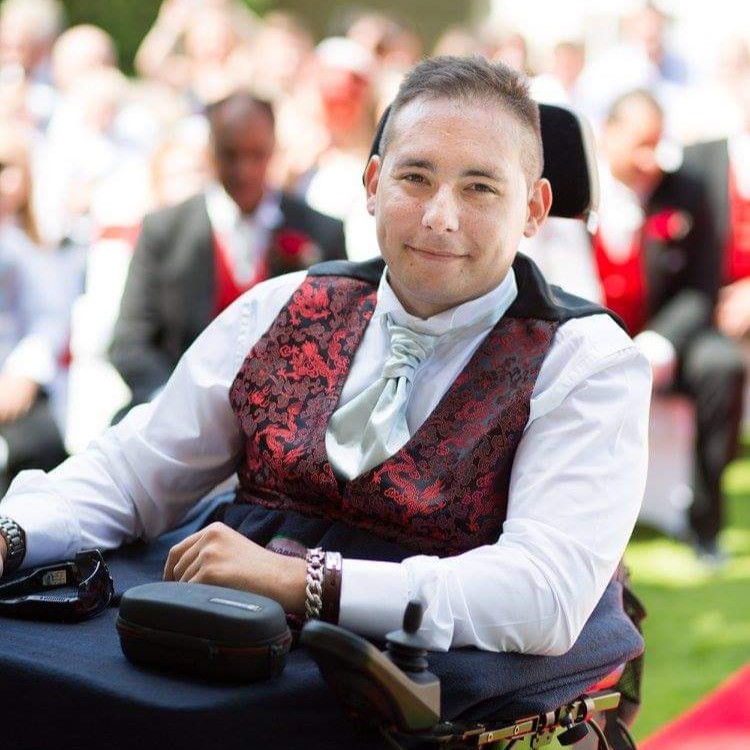
Tracy said:
“It has taken our family five long and deeply distressing years to uncover the truth surrounding our son Karl’s death. During this time, we discovered that the Trust had provided incorrect information to the coroner, stating that the pump had been checked and found to be working correctly. This revelation was extremely upsetting, as we as a family knew this statement to be untrue.
“Karl placed his trust in his neurological team, and tragically, that trust was not honoured. As a direct result of this misinformation, an inquest was not initially granted.
“For years, I could not understand why the coroner had not checked the pump during the post-mortem examination. This question haunted me until we received the report from the Parliamentary and Health Service Ombudsman. It was then that the missing piece of the puzzle became clear: a report had been sent to the coroner stating that the pump had already been checked and confirmed to be functioning properly.
“The ongoing dishonesty and apparent attempts to conceal the truth have had a profound and lasting impact on our family. The emotional toll - the sleepless nights, the tears, and the anguish - has been immeasurable, all while we continue to grieve the loss of our son, husband, father, and brother. Despite this, we will never stop seeking the truth and the justice that Karl deserves.”
Tracy brought her complaint to the Ombudsman, saying that the Trust not only failed to diagnose and treat Karl, but also failed to properly investigate the cause of his death and complete a full and truthful investigation into their complaint. At the Ombudsman’s recommendation, the Trust apologised to Tracy and her family and produced an action plan showing how it will make sure these failings do not happen again.
Rebecca Hilsenrath KC (Hon), Chief Executive Officer of PHSO, said:
“Tracy and Sammie had to fight to uncover the truth about what happened to Karl. I am pleased that they at long last have the answers they asked for and that, as a result of our investigation, the coroner was able to open an inquest into Karl’s death.
“When things go wrong, organisations must be honest about what happened. Failings in accountability lead to failings to learn and to improve. They also impose an immense burden on families at the worst of times.
“I am glad that the Ombudsman was there to help, but no one should have to go through what Tracy and Sammie endured simply to learn how they lost someone they loved and to make sure it doesn’t happen to anyone else.”